
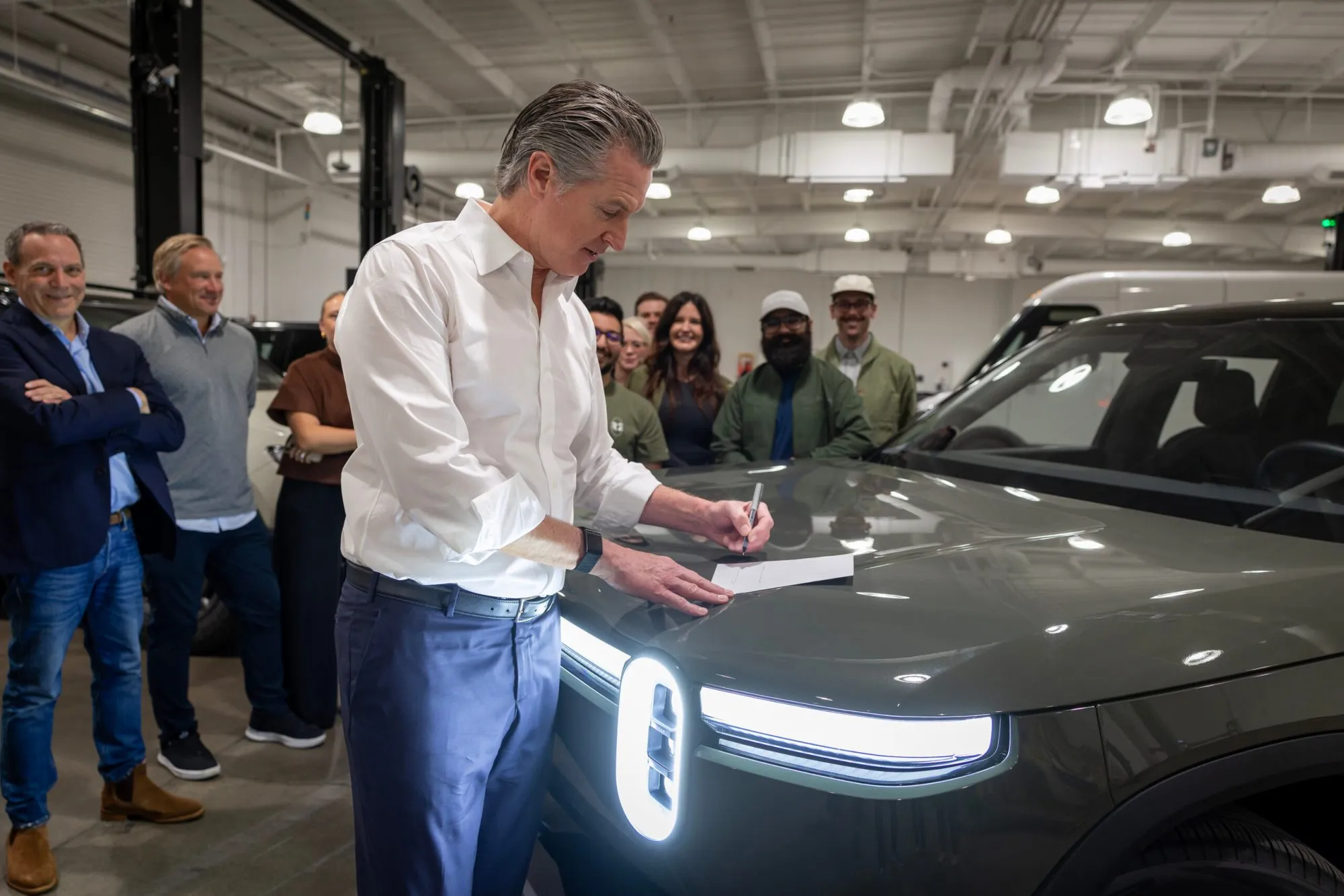
California is doubling down on its transition away from gasoline, with Governor Gavin Newsom announcing a 95.2 million dollar investment to expand the state’s network of electric vehicle charging stations and hydrogen refueling sites. Approved by the California Energy Commission, the funding comes as a direct response to a rebound in zero emission vehicle sales over the first half of the year. Officials hope that by increasing the availability of fueling infrastructure, they can remove one of the biggest hurdles for drivers considering a switch to cleaner transportation.
The financial package is strategically divided to cover various sectors of transport. Nearly 48 million dollars is earmarked specifically for light duty electric vehicle chargers, while about 30 million dollars will support heavier infrastructure for school buses, ports, and freight fleets. An additional 15 million dollars is dedicated to hydrogen refueling stations, and two million dollars will fund workforce training and equipment. To ensure equitable access, the administration requires that at least half of these funds benefit low income residents and disadvantaged communities, a goal Newsom says the state has already exceeded in previous phases of the program.
This push arrives at a critical time for the automotive market in California. Recent data shows that zero emission vehicles made up nearly twenty percent of all new car sales in the second quarter alone, bringing the total number of such vehicles on state roads to over 2.7 million. Companies like FirstElement Fuel may see significant benefits from the hydrogen allocations given their existing partnership with the state, though other major players like Electrify America remain key components of the broader electrical grid expansion across cities like San Francisco and San Diego.
Beyond building hardware, California is attempting to stimulate demand through aggressive consumer incentives. This latest investment complements a separate rebate program called MyFirstEV, which offers thousands of dollars back to first time buyers of both new and used electric cars via a partnership between the state and several automakers. These local efforts take on added importance as federal tax credits for electric vehicles face uncertainty or expiration, leaving states like California, New York, and Colorado to lead the charge in maintaining momentum toward a carbon neutral future.